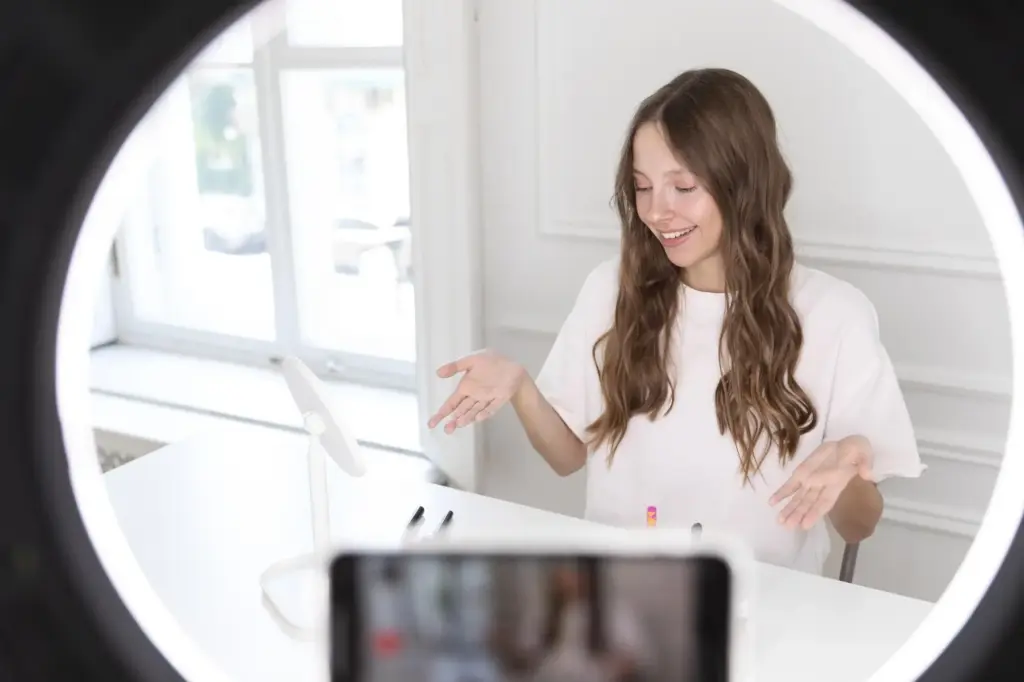
Steady Hands, Bright Camera: Your Calm-Confident Go Live Ritual

Today we focus on managing nerves and energy before going live online, transforming restless adrenaline into steady, welcoming presence. You will learn practical rituals, body-based resets, and timing strategies that ground attention, invite warmth, and keep momentum sustainable. Expect simple steps drawn from performance psychology, broadcasting habits, and real creator stories, so you can greet viewers clearly, think fluidly, and close with energy left to celebrate, connect, and confidently plan the next broadcast.

Mindset Tuning Before You Hit Go Live

{{SECTION_SUBTITLE}}

Name It, Then Aim It

When butterflies swirl, label what you feel without judgment: excitement, worry, anticipation, hope. Research shows that naming emotions reduces their intensity, freeing working memory for your message. Set a sixty-second timer, jot three feeling words, then write one sentence about how those emotions can help you serve. That reframing invites the nervous system to collaborate, not fight, turning scattered energy into intentional, supportive focus.

One Clear Intention

Before going live, craft a single sentence that finishes the phrase, if viewers remember one thing, let it be. Keep it human, specific, and kind. This intention becomes a lighthouse when comments surge or minor tech gremlins appear. You can return to it between segments, breathe once, glance at your note, and let the signal cut through noise, guiding tone, pacing, and decisions throughout your broadcast.

Breath and Physiology You Can Rely On

Nerves are not enemies; they are energy that needs direction. Simple shifts in breathing and posture can downshift sympathetic arousal and lift vocal steadiness within minutes. Use techniques grounded in physiology to lower unnecessary tension while preserving helpful alertness. When you can modulate state on command, confidence rises naturally, turning you into your own reliable coach who knows exactly how to settle, brighten, and sustain presence through an entire live session.

Fueling Steady Energy

Caffeine That Helps, Not Hypes

Delay your first caffeinated drink ninety minutes after waking to align with adenosine dynamics. For shows, choose a modest dose, often one to two milligrams per kilogram, and avoid stacking right before airtime. Pair with water to reduce dryness, and stop early enough to protect sleep. Used thoughtfully, caffeine sharpens focus, widens generosity in your delivery, and supports memory without creating the shaky voice or breath stack that stalls sentences.

A Plate That Loves Your Glucose

Aim for protein plus fiber-rich carbohydrates and healthy fats two to three hours before going live. Think eggs and greens, yogurt with berries, or tofu and quinoa. Avoid heavy fried meals and rapid sugars that spike and crash. Steady glucose protects mood, sustains working memory, and prevents that mid-show fog where names blur and decisions feel slow. Balanced fuel translates directly into steadier pacing and kinder self-talk under pressure.

Hydration and Voice Care

Begin hydrating early rather than chugging at the last minute. Warm water or gentle tea keeps vocal folds supple, while excessive ice, alcohol, or very dairy-heavy drinks can thicken mucus. Add a small pinch of electrolytes if you speak for long stretches under lights. Keep a room-temperature bottle within reach and practice discreet sips between thoughts. Your voice will remain flexible, less scratchy, and more expressive across intros, demos, and Q and A.

Quick Vocal Reset with Straw or Lip Trills

Slide through your range with straw phonation or soft lip trills for one to two minutes. These semi-occluded exercises balance pressure above and below the vocal folds, reducing strain and smoothing breaks. Add gentle sirens and humming to wake resonance without volume. You will feel warmth, elasticity, and clearer onset, making your very first words land cleanly, even if adrenaline momentarily narrows breath or tightens your jaw.

Articulation That Cuts Through Compression

Massage masseter muscles, release tongue root with wide yawns, then practice crisp consonant clusters and playful tongue twisters at moderate speed. Over-enunciate lightly, smiling with soft lips to avoid harshness. These drills keep syllables distinct through streaming compression, preserving intelligibility when chat scrolls fast. The result is easy clarity, fewer repeats, and a friendly sound that invites participation without pushing, even during rapid-fire segments or time-pressured demos.

Shake, Align, and Power-Prime

Shake out hands and shoulders, circle wrists, and do gentle spinal rolls. Stand in a balanced stance, soften knees, and imagine length from heels to crown. Try a two-minute confident posture while breathing low and slow. This primes neuromuscular readiness, expands vocal space, and signals safety to your brain. You enter the frame feeling awake yet grounded, able to smile naturally and move with purposeful, relaxed energy.

Environment and Tech That Reduce Anxiety

Clarity grows when the room supports you. Good lighting, predictable audio, and a tidy run of show lower cognitive load, letting you engage people rather than wrestle with knobs. Create a reliable preflight checklist and rehearse transitions. Small comforts, like a friendly note near the lens, help you connect with one person in mind. Preparedness is not rigidity; it is compassion for your future self under fun, time-sensitive pressure.

On-Air Flow, Pacing, and Presence

Once live, structure and spontaneity can dance together. Lead with a kind greeting, orient newcomers quickly, and move through beats with varied rhythm. Use authentic pauses to breathe and think. Invite specific interactions instead of vague prompts, and celebrate contributions by name. When energy begins to crest, downshift deliberately before rising again. This intentional pacing keeps you calm, protects your voice, and makes the show feel welcoming, alive, and expertly guided.

Recovery, Reflection, and Community

How you land matters as much as how you lift off. A short cool-down preserves your voice, slows adrenaline gently, and helps the mind integrate success. Honest reflection turns jitters into data, guiding your next improvement. Then, reconnect with viewers while the shared moment feels fresh. Small rituals here create continuity, deepen belonging, and transform each broadcast into a chapter of an ongoing relationship rather than a one-off performance.

01

An Off-Ramp That Calms the System

After ending the stream, stand up, breathe slowly through the nose, and take a short walk. Elevate legs on a chair for a minute, then drink water and stretch your neck gently. This signals safety and completion, easing residual tremors. You will recover faster, protect tomorrow’s voice, and retain highlights more clearly. The calmer the landing, the easier it becomes to start your next live session feeling refreshed and eager.

02

A Debrief You Will Actually Do

Use a two roses and a thorn format: list two moments that worked and one element to refine. Capture timestamps for clips and note any questions worth revisiting. Keep it to five minutes so it remains sustainable. Over weeks, patterns appear, nerves shrink, and improvements stack. This friendly loop replaces self-criticism with curiosity, turning your process into a reliable ally that steadily grows skill, confidence, and creative freedom.

03

Keep the Conversation Going

Within twenty-four hours, post a thank-you note, share two short highlights, and ask one specific question inviting replies. Encourage viewers to share their own pre-live rituals or calming tricks. Offer a gentle subscribe nudge with a promise of next stream timing. Participation cements memory, widens belonging, and helps you learn what energized people most. Engagement here also diffuses lingering nerves, transforming adrenaline into connection and momentum for the next show.

Novilorizeradavo
Privacy Overview

This website uses cookies so that we can provide you with the best user experience possible. Cookie information is stored in your browser and performs functions such as recognising you when you return to our website and helping our team to understand which sections of the website you find most interesting and useful.