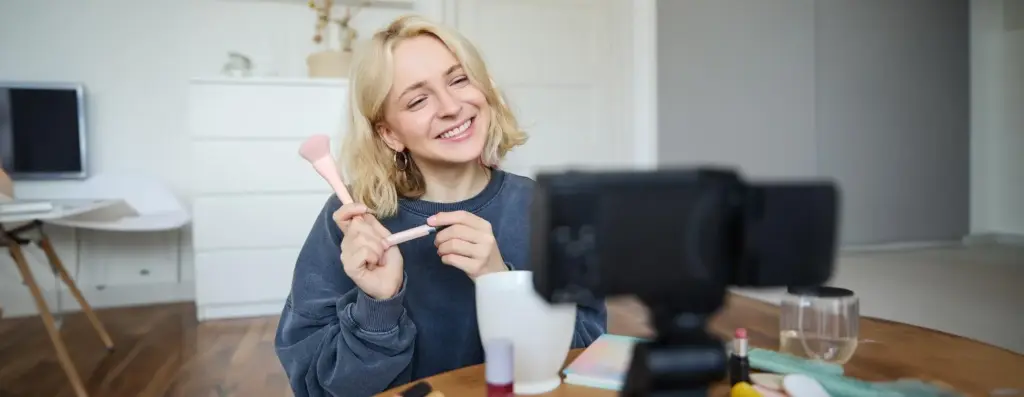





Own the Screen with Confidence

Welcome to the Virtual Stage Presence Playbook, a practical, empathy-driven guide to captivating audiences through webcams, livestreams, and digital rooms. Together we’ll blend craft, story, and small technical wins into reliable habits that elevate credibility, spark interaction, and turn every remote appearance into a vivid, human experience. Share your questions, swap backstage tricks in the comments, and subscribe for weekly drills that keep progress steady.

Commanding Attention Through Camera Craft

Attention online begins with what the lens sees and how it invites viewers to care. We will shape eye-line, framing, and lighting so your presence feels intimate, grounded, and purposeful, transforming an ordinary webcam into a stage that flatters clarity and connection.

Eye Line that Feels Like Eye Contact

Direct rapport starts where your gaze lands. Train your focus just beneath the camera, anchor notes nearby, and rehearse glance patterns that balance reading with connection. Small stickers, teleprompter apps, and mindful breathing help your eyes convey sincerity without drifting or darting.

Framing That Flatters and Focuses

Compose the shot like a portrait: headroom slightly tight, shoulders relaxed, background clean, horizon level. Use the rule of thirds to guide attention, and hide distractions with depth or blur. A consistent angle and distance help gestures read clearly without awkward cropping.

Lighting That Shapes Emotion

Good light sculpts trust. Place a soft key at eye level, add gentle fill to tame shadows, and separate yourself from the background with a subtle rim. Even clip-on panels or a window can create dimensionality that flatters skin, reduces strain, and emphasizes expression.

Voice That Travels Through Bandwidth

Your voice must carry warmth, precision, and rhythm despite compression. We will build breath support, diction, and pacing that withstands latency while still sounding human. Expect rituals that loosen tension, expand resonance, and keep meaning intact when networks hiccup or microphones vary.

Story Architecture for Short Attention Spans

Digital audiences decide quickly whether to stay. Design arcs with sharp beginnings, modular segments, and recurring motifs that reinforce memory. We will choreograph tension and relief, interleave visuals with voice, and finish with actions that feel achievable, meaningful, and immediately shareable.

The Hook in the First Thirty Seconds

Front-load value with a bold promise, a relatable problem, or a miniature success story supported by an arresting visual. Signal what will change for viewers, then deliver the first quick win fast. Early momentum buys attention you can invest in deeper insights later.

Micro-Segments and Narrative Signposts

Break content into tiny, labeled movements that resolve often. Use numbers, transitions, and callbacks to prevent cognitive drift. Short recaps every few minutes realign listeners, while clear destination markers reassure them that progress is real, relevant, and worth staying to witness.

Visual Anchors That Reinforce Meaning

Choose slides or props that reduce reading and amplify concepts through contrast, metaphor, and scale. One idea per frame beats clutter. Subtle motion, white space, and brand-consistent color guide recognition, helping your voice land while the eye enjoys purposeful, non-distracting detail.


Interaction that Sparks Participation

Engagement is not luck; it is designed. Craft rituals that invite contributions without pressure, balance chat flow with verbal acknowledgments, and spotlight wins from the audience. Diverse formats—polls, whiteboards, quick demos—turn passive viewers into partners who feel seen, useful, and energized.

Technical Resilience Under Pressure

Professionalism shines when conditions wobble. Build checklists, redundancy, and graceful failure paths so surprises become solvable puzzles. With backups for power, connectivity, and files, plus calm troubleshooting scripts, you preserve trust and keep moving, even when technology momentarily forgets its manners.

On-Camera Presence and Body Language

Use a mid-chest to shoulder frame to keep gestures readable. Practice deliberate, slower motions that begin and end cleanly within bounds. Props should enter decisively, not creep. Predictable gesture geography reduces distraction and reinforces emphasis like underlining key phrases in real time.
Wake up expression with eyebrow lifts, cheek massages, and exaggerated vowels that release stiffness. Practice smiling with breath, not tension, and let curiosity soften your eyes. A face that moves naturally invites empathy, keeps monotony away, and helps humor land safely.
Choose positions based on energy goals and session length. Standing boosts projection and gesture range; sitting invites intimacy and steadiness. If you move, mark your frame limits and rehearse transitions. Consistency prevents camera hunting, keeping attention where your ideas actually unfold.

Rehearsal, Feedback, and Iteration

Novilorizeradavo
Privacy Overview

This website uses cookies so that we can provide you with the best user experience possible. Cookie information is stored in your browser and performs functions such as recognising you when you return to our website and helping our team to understand which sections of the website you find most interesting and useful.