Own the Frame, Inspire the Room

Today we dive into on-camera body language for remote presenters, turning screens into stages where clarity, warmth, and credibility travel through pixels. You will learn eye-line discipline, posture that breathes, gestures that land, and expressions that invite trust. Expect drills, checklists, and tiny habits that make every meeting, webinar, and recording feel human, persuasive, and unmistakably yours. Share your wins and challenges so we can refine these practices together.

Calibrate Eye Line

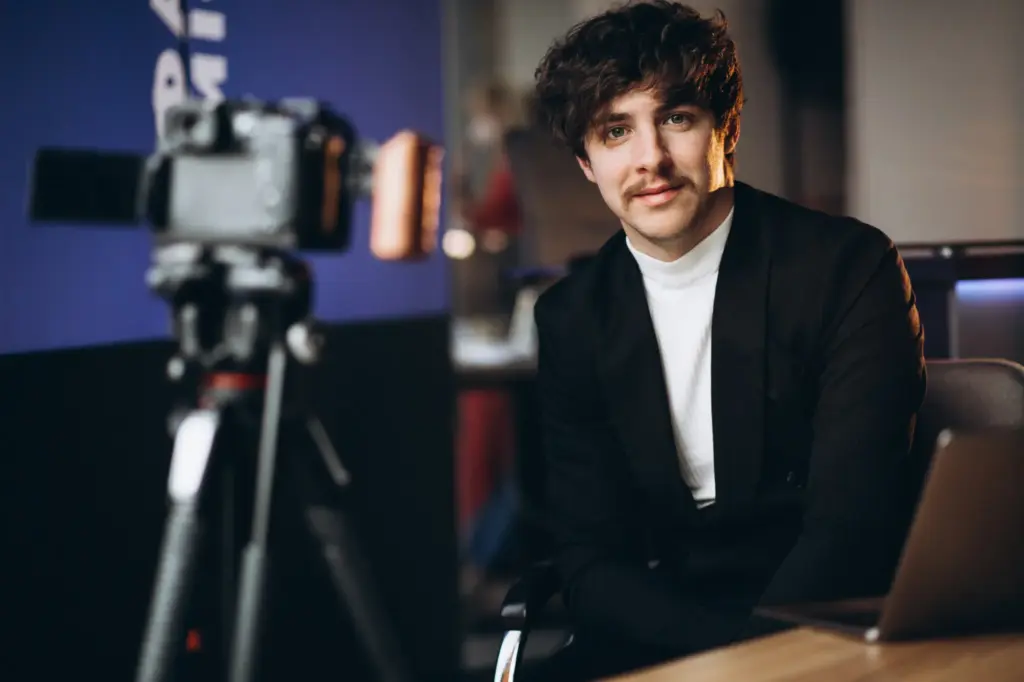
Place the camera at eyebrow height and sit an arm’s length away, then pin a tiny sticker near the lens to anchor your gaze during key points. Practice reading notes slightly below without dropping your chin. Ten deliberate glances per minute feel natural while preserving the illusion of direct contact.

Warm-Up for Presence

Before you go live, yawn-stretch to open the soft palate, roll shoulders back, then hum lightly to vibrate the face. Trace slow figure eights with your eyes to relax micro-tension. Two minutes of breath-led movement raises energy, brightens gaze, and steadies posture without looking forced or theatrical.

Lighting That Supports Expression

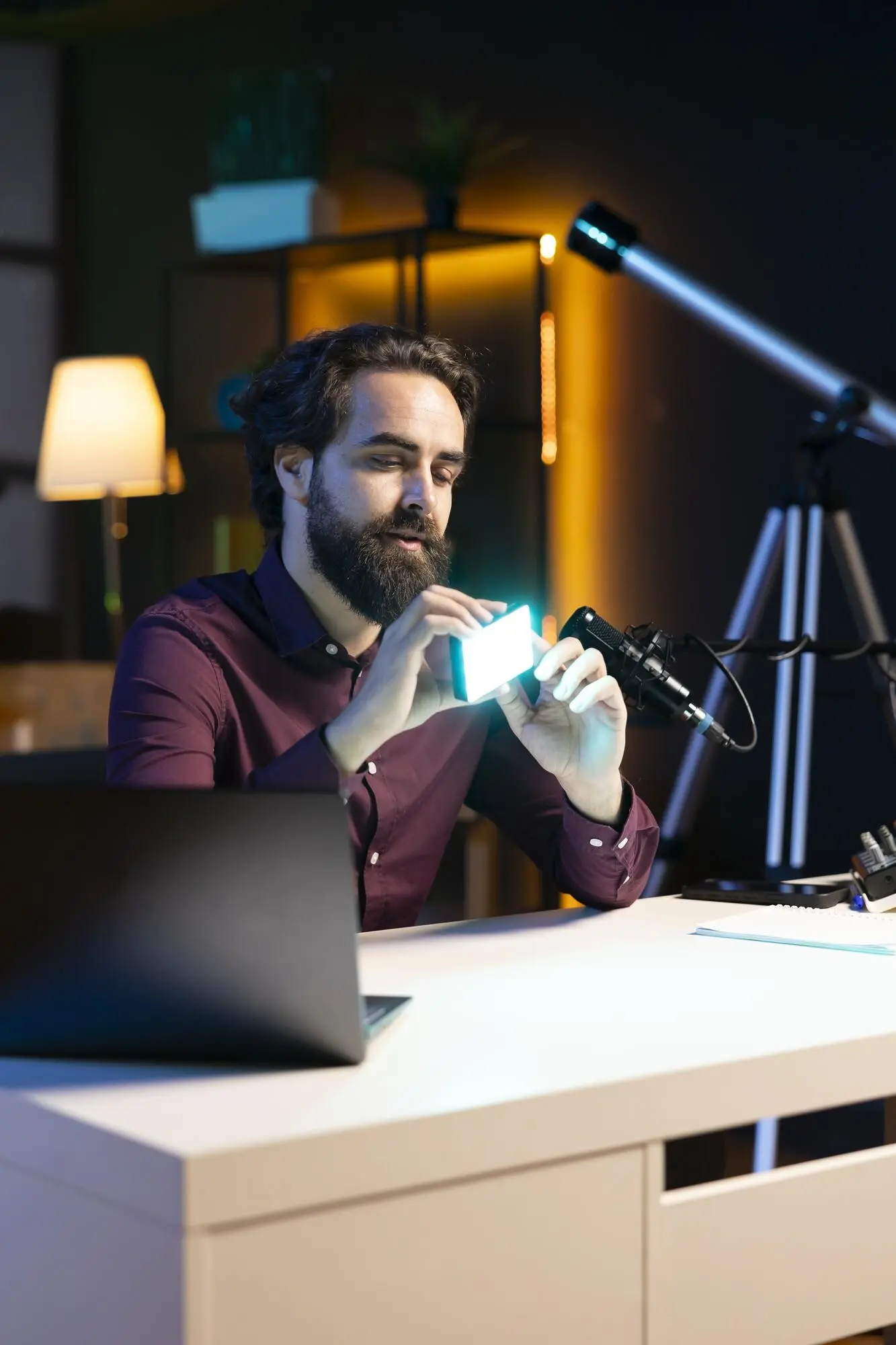
A small front light slightly above eye level reveals catchlights and unlocks more expressive micro-movements. Avoid harsh downlighting that carves worry lines. Bounce light off a wall for softness, and test warmth versus daylight tones. Better lighting reduces frowning, decreases squinting, and helps your smile register kindly through compression.

Posture That Projects Authority Without Rigidity
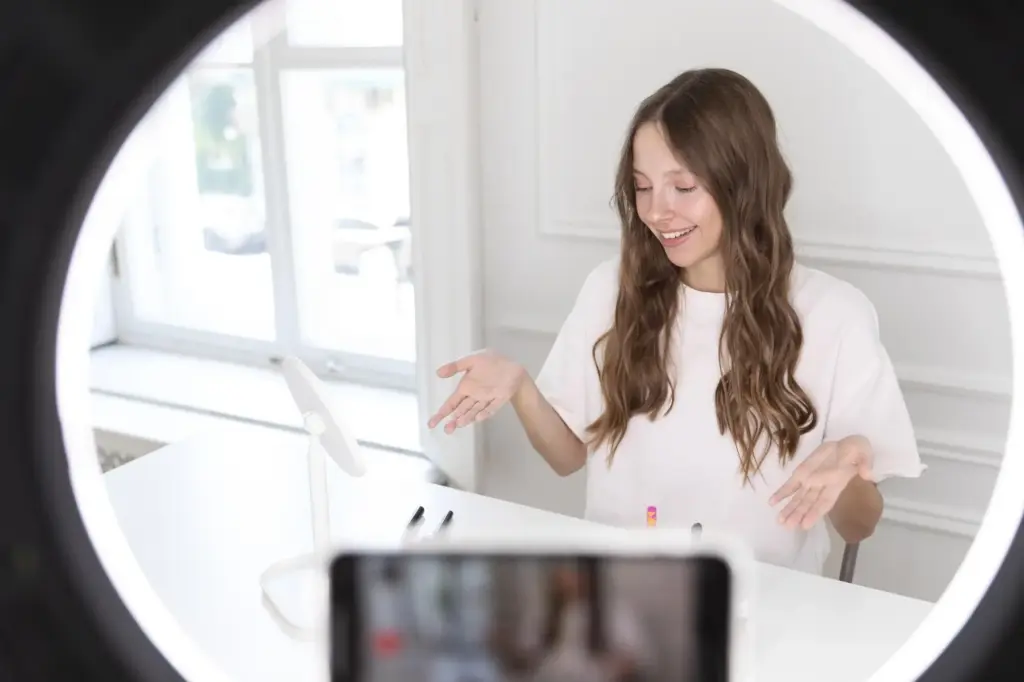
Strong presence flows from a supported spine, grounded hips, and a relaxed jaw. Instead of sitting frozen, imagine lengthening upward while rooting your sit bones or feet. This blend signals steadiness without stiffness. Listeners report easier listening, clearer diction, and fewer distracting sway patterns when posture carries intention.

Gestures That Survive Compression

Frame-Aware Hand Language

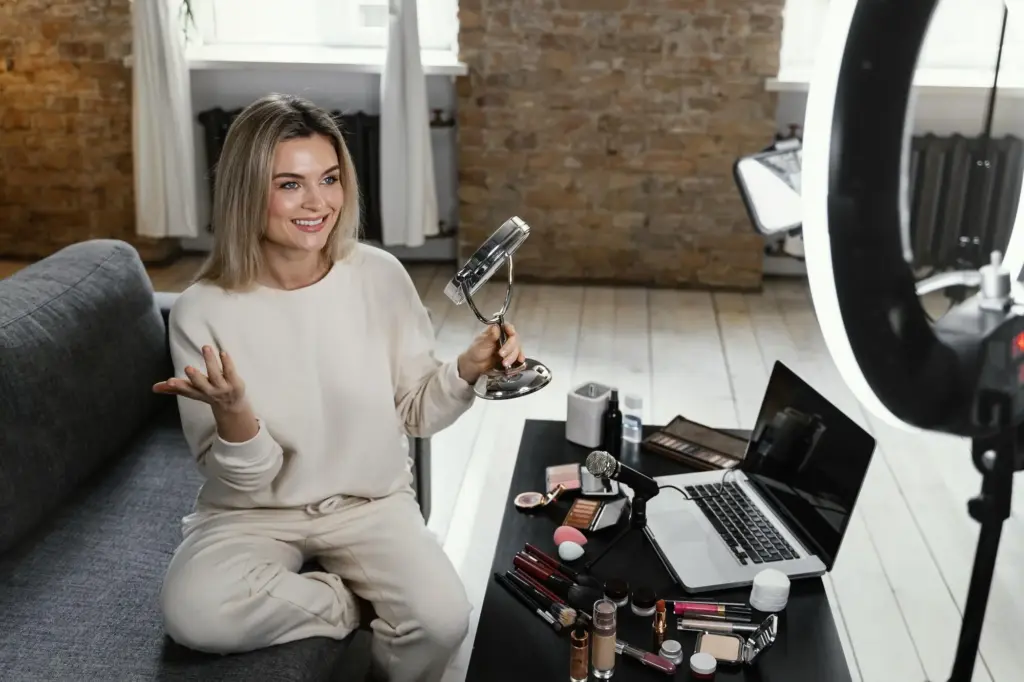
Define a safe box from collarbone to lower ribs, and keep gestures inside that boundary. When illustrating size, glide along diagonals rather than sweeping outside the shot. Open palms when inviting agreement. Close lightly when committing. Train contrast between expansive ideas and precise details using tempo, height, and duration.

Rhythm, Beats, and Pauses

Gesture on the stressed syllable, then freeze for a heartbeat to let meaning settle. This syncs body with speech and improves intelligibility for viewers on slower connections. Interleave stillness between phrases to avoid blur. Record at half speed to study timing, clarity, and the emotional tone your hands paint.

Prop Use Without Distraction

Props reinforce ideas when they are rare, relevant, and fully visible. Hold them near your sternum, not toward the desk. Introduce, point, pause, then remove. Avoid rustling paper sounds. If screen-sharing, rehearse the transition so your hands return naturally, keeping rapport with the lens instead of the thumbnails.

Face, Eyes, and Micro-Expressions

Audiences read your face faster than your words, especially on streams where latency dulls timing. Aim for relaxed cheeks, soft eyes, and a genuine smile that starts in breath. Blink normally. Overly intense stares feel artificial. Let curiosity widen eyes briefly when introducing novelty, then settle into calm assurance.

Smile With Purpose, Not Performance

Think appreciation, not approval. Picture one listener who needs relief, and let that intention lift the zygomatic muscles gently. A short inhale through the nose brightens the mid-face; a slow exhale softens the jaw. Practice smiling while reading neutral text to decouple authenticity from forced theatricality on cue.

Eyebrows and Forehead As Punctuation

Use tiny eyebrow lifts to flag transitions, knit lightly to show curiosity, and release to resolve tension. Avoid repeated high-arch surprise that reads as salesy. Moisturize to reduce glare lines under key light. Film side-by-side with and without eyebrow cues to observe how comprehension and warmth shift.

Practicing Gaze Triangles

Alternate between lens, a corner of your slides, and a thumbnail of your host to mimic natural conversational scanning without abandoning direct contact. Set timers that beep every twenty seconds to remind resets. Your audience perceives inclusion while your message maintains focus, rhythm, and credibility throughout complex explanations.

Find Your Goldilocks Distance

Too close exaggerates features and flattens gestures; too far makes expressions unreadable. Frame mid-chest to a few inches above hair. Test at three focal lengths and compare how your hands, eyes, and breath play. Choose the distance where empathy reads while authority remains unshaken across platforms.

Reframe for Story Moments

When a narrative turns, adjust subtly: inch closer for vulnerability, widen slightly for context, return to neutral for analysis. These micro-reframes guide attention the way a director would. Practice transitions between camera, slides, and whiteboard so your body leads meaning instead of chasing the technology’s whims.

Stillness as a Dramatic Choice

Motion constantly signals anxiety on small screens. Choose purposeful stillness when delivering numbers, instructions, or apologies. Let your breath carry intensity while your frame stays quiet. Then reintroduce measured gestures to reopen connection. This contrast feels cinematic, making dense information approachable and emotionally resonant without overwhelming your viewers.

Two-Camera Self-Review

Record simultaneously from a primary lens and a side angle to expose posture drift and fidget patterns. Watch silently first to judge clarity without words, then with audio to gauge alignment. Mark three specific nonverbals to keep, three to change, and one tiny experiment for the next session.

Audience Signals and Chat Clues

Comments about pace, requests for repetition, and bursts of emoji can reveal how your body supports or muddies meaning. Track when questions spike after you glance away from lens or speak too fast. Adjust timing, gesture holds, and micro-pauses, then invite feedback again to close the learning loop.

Build a Ritual You Can Repeat

Consistency beats intensity. Craft a five-minute preflight: hydrate, light check, lens wipe, posture reset, breath ladder, gaze triangle drill. Afterward, jot one sentence about what worked and one adjustment to try. Share your ritual in the comments to inspire peers and keep yourself publicly accountable next time.
Novilorizeradavo
Privacy Overview

This website uses cookies so that we can provide you with the best user experience possible. Cookie information is stored in your browser and performs functions such as recognising you when you return to our website and helping our team to understand which sections of the website you find most interesting and useful.